
AI Bartenders & Flavor-Tailored RTDs: Revolutionizing U.S. Beverage Scene in 2025
The U.S. beverage trends 2025 landscape is being transformed by AI-powered mixology and hyper-personalized ready-to-drink formulations, creating a new era of customized drinking experiences that blend technology, flavor science, and convenience.
The AI Mixology Revolution

Advanced AI bartending systems use precision dispensing and machine learning to create personalized beverages
The emergence of AI bartenders represents a fundamental shift in how beverages are conceptualized, prepared, and served in the U.S. beverage trends 2025 landscape. These sophisticated systems combine robotics, machine learning algorithms, and extensive databases of flavor profiles to create drinks tailored to individual preferences, dietary restrictions, and even momentary moods.
What distinguishes modern AI bartenders from earlier automated systems is their ability to learn and adapt. Through continuous feedback loops, these systems refine their understanding of individual taste preferences, seasonal ingredient availability, and emerging flavor trends. The most advanced systems can even incorporate biometric data from wearable devices to suggest beverages that complement the user's physiological state, creating truly personalized drinking experiences.
Flavor-Tailored RTDs: Personalization at Scale
Ready-to-drink beverages (RTDs) have evolved far beyond simple canned cocktails and pre-mixed drinks in the U.S. beverage trends 2025 market. The latest generation of RTDs leverages advanced flavor science and manufacturing technology to create personalized beverages that cater to individual taste preferences, dietary needs, and even specific occasions.
Modern flavor-tailoring technology uses machine learning algorithms to analyze consumer preference data and create optimized flavor profiles. These systems can adjust sweetness, acidity, bitterness, and mouthfeel to match individual preferences while maintaining consistency across batches. Some advanced systems even incorporate genetic taste perception data to create beverages optimized for how individuals perceive different flavors.
Key Innovations in RTD Personalization
- Dynamic Flavor Adjustment: Beverages that can be customized at point of consumption using integrated micro-dosing technology
- Biometric Integration: Drinks that adjust formulation based on real-time physiological data from wearables
- Occasion-Based Formulations: Beverages optimized for specific contexts like post-workout recovery or evening relaxation
- Sustainability Focus: Packaging and formulations designed for minimal environmental impact
- Health-Conscious Options: RTDs with functional ingredients, reduced sugar, and adaptive caffeine levels

Modern RTDs offer personalized formulations with packaging that reflects individual preferences
Technology Behind the Beverage Revolution
The transformation of the U.S. beverage trends 2025 landscape is powered by several converging technologies that enable both personalization and scalability.
Machine learning algorithms analyze vast datasets of flavor combinations, consumer preferences, and sensory science research to identify patterns and create optimized formulations. Robotic dispensing systems provide precise measurement and mixing capabilities, ensuring consistency while allowing for customization. Smart packaging incorporates NFC and QR technologies that enable interaction with mobile devices, providing information about ingredients, preparation, and even personalized serving suggestions.
Perhaps most importantly, these technologies are becoming increasingly accessible. What was once limited to high-end cocktail bars and beverage manufacturers is now available to smaller establishments and even home users through subscription services and compact, affordable equipment.
Core Technologies Powering the Revolution
Precision Dispensing
Robotic systems that measure ingredients with laboratory accuracy for consistent results
Machine Learning Algorithms
AI systems that analyze preference data to create optimized flavor profiles
Smart Packaging
Interactive containers that provide information and enable customization
Biometric Integration
Technology that incorporates physiological data to personalize beverage formulations
The Sensory Science of Flavor Personalization
At the heart of the U.S. beverage trends 2025 revolution is advanced sensory science that enables truly personalized flavor experiences. Researchers have made significant strides in understanding how individuals perceive taste differently based on genetics, previous experiences, and even momentary physiological states.
Modern flavor personalization systems use sophisticated models of taste perception that go beyond the traditional five tastes (sweet, sour, salty, bitter, umami) to include factors like mouthfeel, aroma perception, and even trigeminal sensations (like the cooling effect of menthol or the heat of capsaicin). These systems can create flavor profiles that are optimized for individual perception, ensuring that beverages taste their best to each consumer.
The most advanced systems incorporate real-time feedback mechanisms that allow continuous refinement of flavor models. By analyzing consumer reactions and preferences over time, these systems become increasingly accurate at predicting what flavors will be most appealing to individual users.

Advanced sensory science enables precise flavor personalization based on individual perception
Implementation in Hospitality and Retail
The adoption of AI bartenders and personalized RTDs is transforming business models across the hospitality and retail sectors in the U.S. beverage trends 2025 landscape.
Bars and restaurants are using AI bartending systems to expand their offerings without increasing staff costs. These systems can handle complex customization requests, manage inventory efficiently, and provide consistent quality regardless of volume. Many establishments are also using the data collected by these systems to inform menu development and purchasing decisions.
Retailers are leveraging personalized RTDs to create new revenue streams and enhance customer loyalty. Subscription services deliver customized beverages directly to consumers, while in-store kiosks allow customers to create personalized formulations on demand. These approaches are particularly effective at attracting younger consumers who value both convenience and personalization.
Business Benefits of Beverage Technology
- Increased Efficiency: Automated systems can serve more customers with consistent quality
- Enhanced Personalization: Ability to cater to individual preferences at scale
- Reduced Waste: Precise portion control and inventory management minimize waste
- Data-Driven Insights: Customer preference data informs product development and marketing
- New Revenue Streams: Subscription models and premium customization options create additional income
Consumer Experience and Engagement
The U.S. beverage trends 2025 transformation is fundamentally changing how consumers interact with beverages, creating more engaging and participatory experiences.
Modern beverage technology often incorporates gamification elements that make the process of selecting and customizing drinks more engaging. Apps allow users to track their preferences, discover new flavors, and share their creations with friends. Many systems also provide educational content about ingredients, preparation methods, and the science behind flavor perception.
This enhanced engagement is particularly valuable in social settings, where the process of creating customized beverages becomes part of the entertainment. Interactive bartending systems in venues often become attractions in themselves, drawing customers who are interested in both the technology and the personalized results.
Sustainability and Ethical Considerations
As the U.S. beverage trends 2025 landscape evolves, sustainability and ethical considerations have become increasingly important to both consumers and manufacturers.
Precision dispensing technology significantly reduces waste by ensuring that ingredients are used efficiently and consistently. Many AI bartending systems incorporate inventory management features that optimize ordering and reduce spoilage. RTD manufacturers are increasingly using sustainable packaging materials and implementing recycling programs.
Ethical considerations around data privacy are also paramount. Systems that collect personal preference and biometric data must implement robust security measures and transparent privacy policies. Industry leaders are developing standards for ethical data use in beverage personalization, ensuring that consumer information is protected while still enabling personalized experiences.
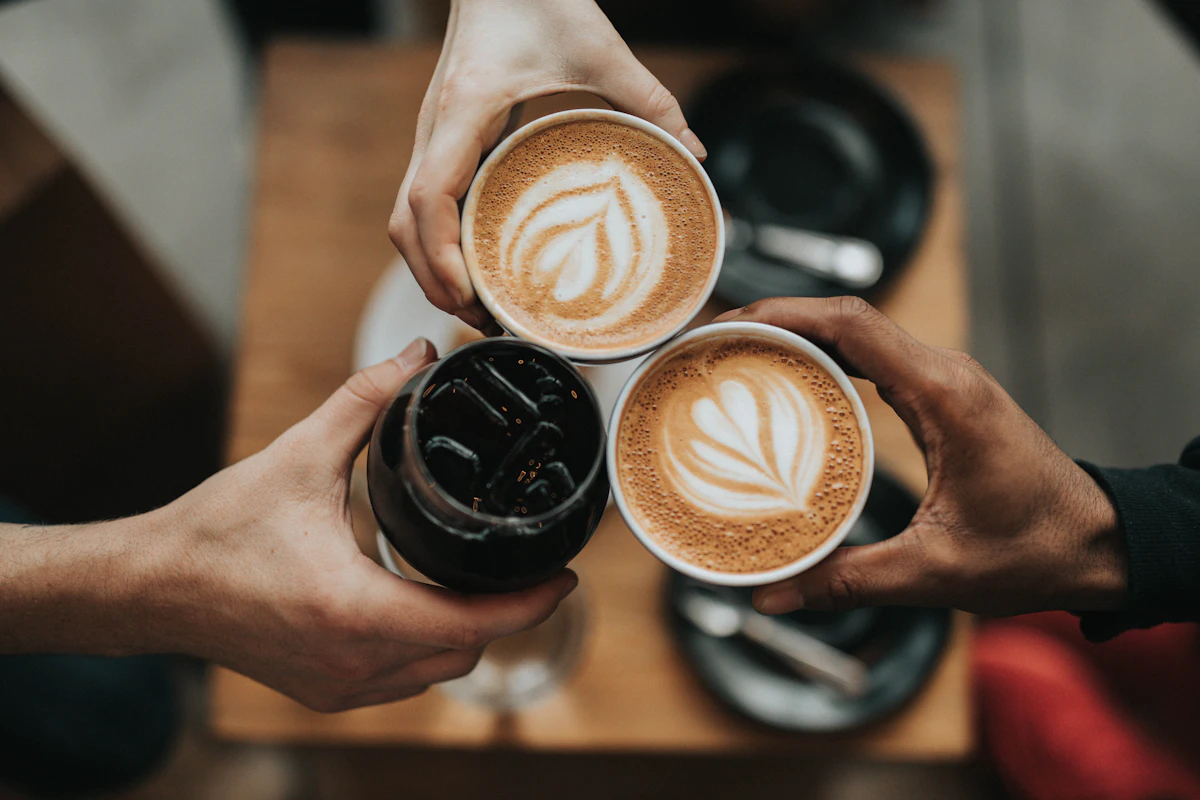
Sustainability is a key consideration in modern beverage production and packaging
Future Trends: What's Next for Beverage Technology
The evolution of U.S. beverage trends 2025 is continuing rapidly, with several emerging technologies likely to shape the next phase of innovation.
Augmented reality interfaces are beginning to enhance beverage customization experiences, allowing users to visualize drinks before ordering and access information about ingredients through their devices. Blockchain technology is being used to create transparent supply chains, allowing consumers to verify the origin and sustainability credentials of beverage ingredients.
Perhaps most excitingly, advances in synthetic biology may soon enable the creation of entirely new flavors and ingredients that are more sustainable and customizable than traditional options. These technologies could fundamentally transform what's possible in beverage personalization and sustainability.
Emerging Beverage Technologies
- Augmented Reality Interfaces: Visualizing drinks and accessing information through AR experiences
- Blockchain Verification: Transparent supply chains for ingredient sourcing and sustainability claims
- Synthetic Biology: Creating novel flavors and ingredients through advanced biological engineering
- Connected Packaging: Smart containers that monitor freshness and consumption patterns
- Biometric Authentication: Age verification and personalized serving suggestions based on physiological data


0 Comments