
TikTok's 'We Should Start Saving Money' Trend Goes Viral—But Americans Are Spending Anyway!

TikTok's #SaveMoneyChallenge has garnered billions of views, creating a paradox between saving aspirations and spending behaviors.
Short videos about frugal hacks, meal prep, and "no-buy" challenges rack up millions of views on TikTok, creating the illusion of a nation embracing austerity. Yet checkout data and consumer spending reports tell a different story—Americans continue spending, particularly on food, beverages, and small indulgences. This tension between aspiration and impulse is shaping what—and how—Americans eat and drink in 2025, creating fascinating paradoxes in consumer behavior.
According to data from NerdWallet, searches for "budgeting tips" and "money saving hacks" have increased by 156% year-over-year, while simultaneously, consumer spending on dining out and premium grocery items has grown by 8.3%. This behavioral disconnect represents what psychologists call the "intention-action gap," where aspirations toward financial responsibility compete with deeply ingrained spending habits and the psychological need for small indulgences.
The Rise of Financial Content on Social Media
The "We Should Start Saving Money" trend on TikTok represents just one manifestation of a broader explosion of financial content on social media platforms. Hashtags like #FinancialLiteracy, #Budgeting, and #SaveMoneyChallenge have collectively garnered over 25 billion views, creating a new genre of content that blends personal finance with entertainment.
This content explosion coincides with a period of economic uncertainty characterized by fluctuating inflation rates, rising interest rates, and concerns about economic stability. According to a study by the Federal Reserve, nearly 40% of Americans would struggle to cover a $400 emergency expense, creating genuine anxiety that drives engagement with saving-related content.
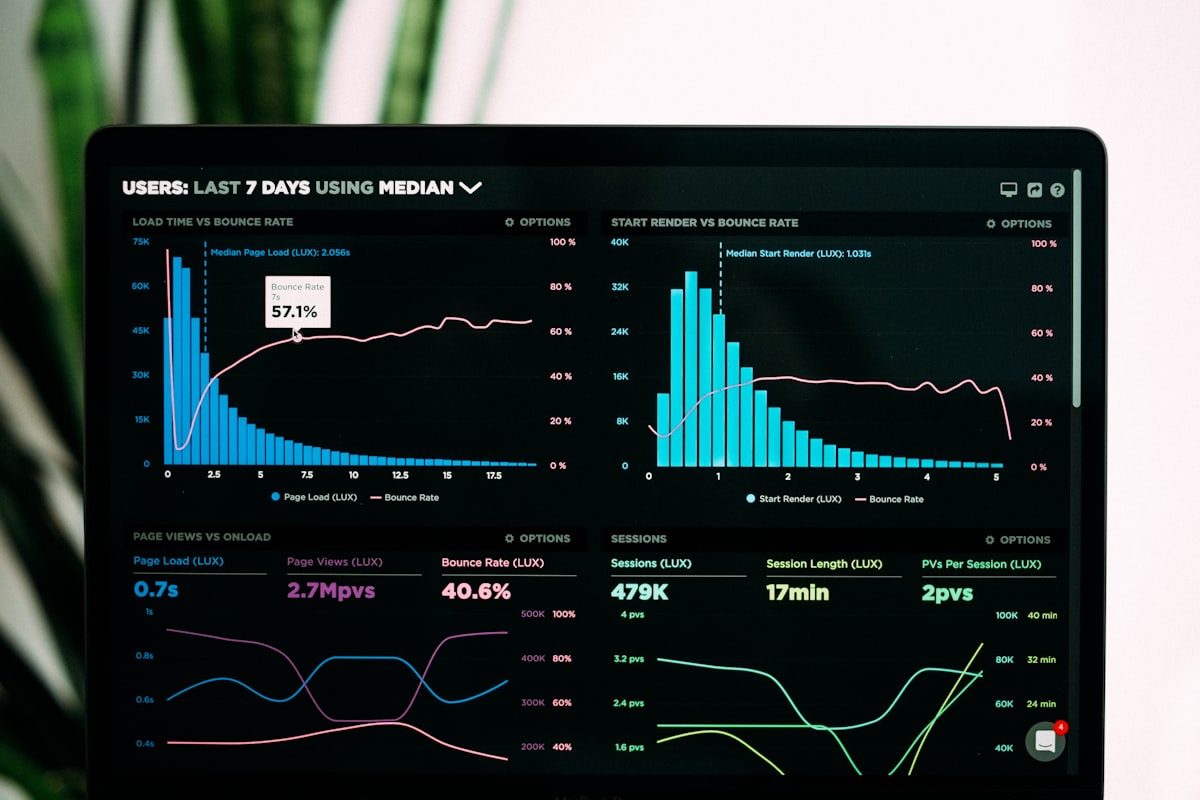
Financial content creators have found massive audiences by making budgeting and saving strategies accessible and entertaining.
Psychological Drivers Behind the Saving-Spending Paradox
Understanding why Americans consume saving content while maintaining spending habits requires examining several psychological factors:
The Aspiration-Identity Gap
Engaging with saving content allows people to adopt a "financially responsible" identity without necessarily changing behavior. The mere act of watching budgeting videos creates a sense of accomplishment that can paradoxically justify subsequent spending.
The "Little Treats" Economy
In uncertain times, small indulgences serve as emotional regulation tools. The psychology behind "I deserve this" spending remains powerful even amid genuine intentions to save.
Hyperbolic Discounting
Behavioral economics shows that people tend to prioritize immediate gratification over long-term benefits. The immediate pleasure of a purchase often outweighs the abstract future benefit of saving.
Dr. Emily Roberts, behavioral economist at the University of Chicago Booth School of Business, explains: "What we're seeing is a classic case of 'emotional accounting.' People create mental categories that allow them to be both savers and spenders simultaneously. They might meticulously track grocery expenses while simultaneously justifying regular restaurant meals as 'wellness' or 'social connection' expenses."
"The consumption of financial advice content provides what psychologists call 'symbolic goal fulfillment'—the feeling of progress toward a goal without actual behavior change. This explains why someone can spend hours watching saving videos and then immediately order delivery food." - Dr. Michael Chen, Psychology Today
How Food and Beverage Brands Are Responding
The tension between saving aspirations and spending behaviors has created new opportunities and challenges for food and beverage brands. Smart companies are adapting their strategies to align with both sides of this consumer paradox:
Premiumization of Value Offerings
Recognizing that consumers want to feel savvy rather than cheap, brands are elevating their value offerings with premium cues. Store brands now feature sophisticated packaging, artisanal claims, and flavor profiles that mimic premium products while maintaining lower price points.
Strategic Bundle Pricing
Multipacks and bundled offerings have proliferated, allowing consumers to feel they're getting better value while actually increasing their total basket size. The psychology of "saving per unit" often overrides the reality of spending more overall.
Hybrid Consumption Models
Brands are developing products that support the "home premiumization" trend, such as café-quality coffee pods for home machines or restaurant-style meal kits that cost less than dining out but more than cooking from scratch.

Grocery stores have expanded their private label offerings with premium-quality products that appeal to budget-conscious consumers.
The "Snackification" of American Eating Habits
One particularly noticeable trend at the intersection of saving aspirations and spending behaviors is the continued "snackification" of diets—the replacement of traditional meals with smaller, more frequent eating occasions.
This trend serves both sides of the psychological equation:
- For savers: Snacks feel less expensive than full meals, creating the perception of spending control
- For spenders: Premium snacks offer indulgence opportunities at lower price points than restaurant meals
- For the conflicted: Snacks represent compromise—a "little treat" that feels justified amid broader saving efforts
According to Mintel research, 45% of Americans now replace at least one daily meal with snacks, up from 29% in 2019. This shift has driven growth in both value-oriented multipacks and premium, indulgent snack options.
Practical Strategies for Mindful Spending
For consumers genuinely looking to align their behaviors with their saving aspirations, several evidence-based strategies can help bridge the intention-action gap:
The 3-Meal Planning System
Plan three core meals each week that can be repurposed with different sauces, grains, or preparations. This reduces food waste while providing variety that prevents boredom-driven spending.
Seasonal and Strategic Shopping
Build meals around seasonal produce, which tends to be more affordable and flavorful. Freeze extras for later use, especially fruits for smoothies and vegetables for soups.
Nutrient Density Prioritization
Focus spending on nutrient-dense foods that provide lasting satisfaction rather than novelty snacks that offer momentary pleasure but little nutritional value.
Certified financial planner Sarah Johnson recommends what she calls the "50-30-20" approach to food budgeting: "Spend 50% of your food budget on essentials, 30% on planned indulgences that bring genuine joy, and leave 20% flexible for unexpected opportunities or cravings. This creates structure without deprivation."

Meal planning and preparation can help bridge the gap between saving aspirations and food spending behaviors.
The Role of Social Media in Shaping Financial Behaviors
While social media platforms have democratized financial education, they've also created new challenges for consumers trying to navigate conflicting messages:
Algorithmic Amplification of Extremes
Platform algorithms tend to promote extreme content—either drastic saving challenges or lavish spending hauls—because it generates more engagement than moderate, balanced approaches.
Commercial Influences
Many "saving" influencers eventually monetize their audiences through affiliate marketing, product placements, and sponsored content, creating subtle pressures toward consumption even within saving-oriented content.
Comparison Culture
Even within frugality communities, comparison dynamics can emerge around who has the most elaborate meal prep system or the most impressive savings journey, potentially driving unnecessary spending on organization products or tools.
The Federal Trade Commission has recently issued guidelines requiring clearer disclosure of financial relationships in money-saving content, reflecting growing concern about the blending of genuine advice and commercial interests.
Future Trends in Consumer Spending Behavior
As we look toward the rest of 2025 and beyond, several trends suggest how the tension between saving and spending might evolve:
Value-Based Spending Acceleration
Consumers are increasingly aligning spending with personal values, prioritizing sustainability, ethical production, and local sourcing even when it costs more.
Subscription Fatigue and Reassessment
After years of accumulating subscriptions, many consumers are conducting "subscription audits" to eliminate unused services while maintaining those that provide genuine value.
Digital Tools for Financial Integration
New apps and platforms are emerging that help consumers integrate their saving goals with their spending patterns, providing real-time feedback and suggestions.
According to a report from McKinsey & Company, the most successful brands will be those that help consumers resolve rather than exploit the tension between saving aspirations and spending behaviors, creating products and services that deliver genuine value rather than just momentary gratification.
Final Analysis: The paradox between viral saving content and persistent spending behaviors reveals the complex psychology of modern consumption. Rather than representing hypocrisy, this tension reflects the very human struggle to balance present enjoyment with future security. The most effective approach for both consumers and brands is to focus on mindful value—making intentional choices that deliver genuine satisfaction without financial regret, recognizing that small, sustainable changes often outperform drastic but temporary resolutions.


0 Comments